


Story by Joel Caldwell
Kenny Collins is on a mission to define the New American Garden.
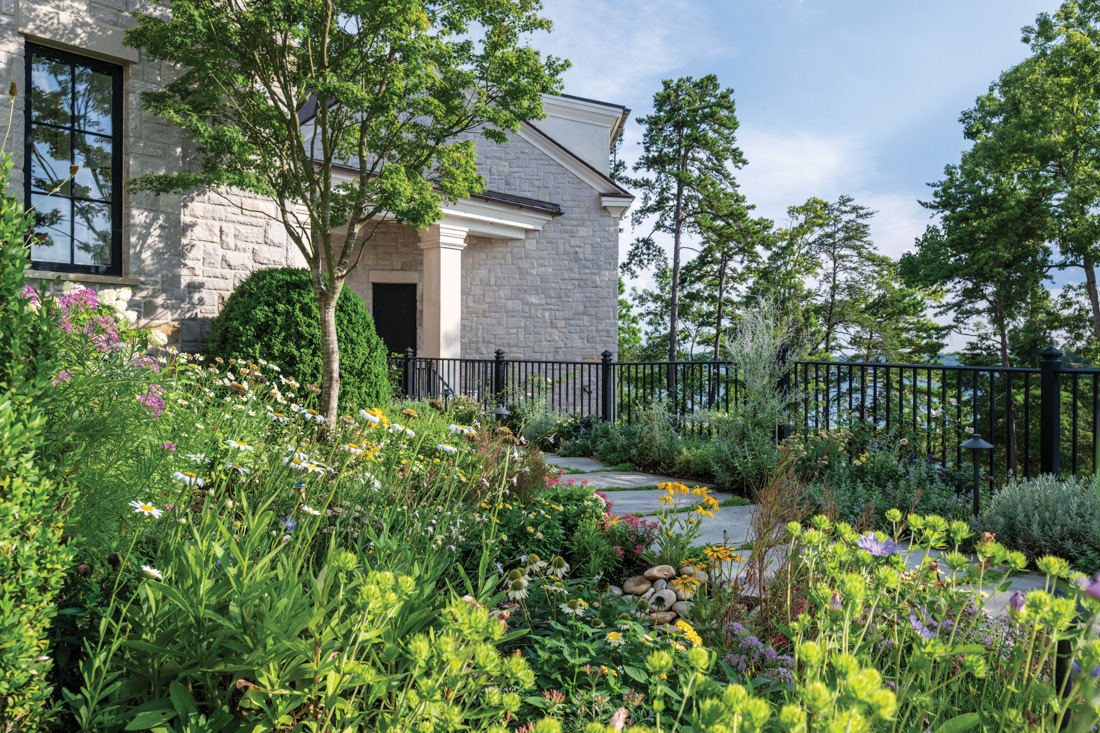
As the owner and CEO of DabneyCollins, a design-build firm based out of Upstate South Carolina, Collins is often asked to create gardens rooted in the formal, meticulously controlled traditions of European countries. But his vision tells a different story. The New American Garden, as he sees it, blends structure with softness, weaving ecological function into elegant design. It’s a reimagined landscape, where natural edges support biodiversity, and beauty emerges through balance.
According to Collins, it all begins with a simple change in plant palette. “Often when I suggest native plantings to clients, they throw up the red flag. But they don’t realize that there are tons of plants that can be incorporated beautifully.” Butterfly milkweed, purple coneflower, bee balm, asters, swamp sunflower, coreopsis, goldenrod—all of these plants work alongside structured, linear elements and tried-and-true traditional garden plants, such as American boxwoods. “Gardens provide a valuable window into the changing seasons and wonder of the natural world,” Collins tells me. “Connection to nature is essential, and the more diverse and considered the plant palette, the more ecologically functional the system.”
Collins designs for a future where the structural elegance of well-designed gardens coexists with the wilder flora and fauna of the surrounding environment. “Even a single backyard can make a big difference. We can have well-functioning spaces that enrich our lives and also support the ecosystem we’re a part of.”
Collins believes that supporting the natural world and making your backyard an extension of the larger ecosystem, albeit with considerable refinement, elevates the garden experience. “If you look at a family that is thriving energetically, there’s this exchange that happens between one person and the next. That doesn’t stop with people. It also applies to nature. If you have that vibrant system around you, that richness, how would that change how you love your family, love your home?” But it’s not just about energy. “We have to get back to using the things nature has given us with purpose. It reduces your maintenance, increases your family’s interconnectedness, builds soil, and creates habitat, both for your family and the larger ecological community. Let the land guide the process.”
Collins is passionate about outdoor living spaces. Whether it’s a pool or a fire pit, his designs focus on “opening up the home” and creating space for outdoor entertainment and engagement. Collins’s philosophy informs his process, letting the land dictate the design, with the goal of minimizing soil disturbance. “We use plant material, as much as possible, to retain soil,” referencing materials like trees, climbing hydrangea, and grids of rebar that host a living “green wall.”
According to Collins, “Every good landscape has layers. It’s like a picture frame.” Perennial beds or annual plantings only look good for half the year, so you don’t want to plant them alone. “They don’t shine during the dormant season, so up front, we plant perennials behind an evergreen border, so they pop up in all their glory during the growing season, but while dormant, you have that evergreen border.” Thoughtful layers offer year-round beauty.
Beyond the manicured space, you have to blend back into the woods or the edges of the property line. Collins recommends strategically placing evergreen trees that create privacy and establish sightlines while also incorporating and expanding the native space. “Red maples, eastern redbuds, white oaks…we have a lot of eastern cedars that blend well with nature. Ideally, it doesn’t look too ‘landscapey,’ but blends with what’s already existing. At the very edge, you have an evergreen privacy screen.”
Increasingly, Collins sees potential along the edges of property lines and community roads to plant native species—grasses like little bluestem, muhly grass, Indian grass, and switchgrass paired with native herbaceous plants. “We can create a soft, easy-on-the-eyes habitat that saves on your maintenance budget and is a better visual.” Erosion control remains a top priority for design-build projects in the mountains. While mulch has historically been used as a cover for disturbed soil, it lacks sustainability and offers only short-term erosion prevention. Instead, reestablishing the soil with a diverse mix of native ground cover is far more effective and enduring.
Collins wants to use native plants to reestablish areas that are prone to erosion. His “native mix” is a triple win: it holds the soil, preventing erosion, while also supporting biodiversity and, importantly, providing browsers an alternative food source to your garden. It also creates a great-looking space that doesn’t require herbicides or weekly maintenance.
Collins’s suggestion: “Let it grow. Once a year, have someone go in and remove the invasive plants, and after a few years, it’ll acclimate.” These native meadows will contribute seasonal interest, providing homeowners with a dynamic landscape that changes throughout the year, one they will look forward to observing.
Top Ten Most Beneficial Plants for the Piedmont and Blue Ridge Regions
White Oak (Quercus alba)
A keystone species. White oaks support hundreds of species of caterpillars, which are critical food for birds, and produce acorns that sustain wildlife from fall through winter.
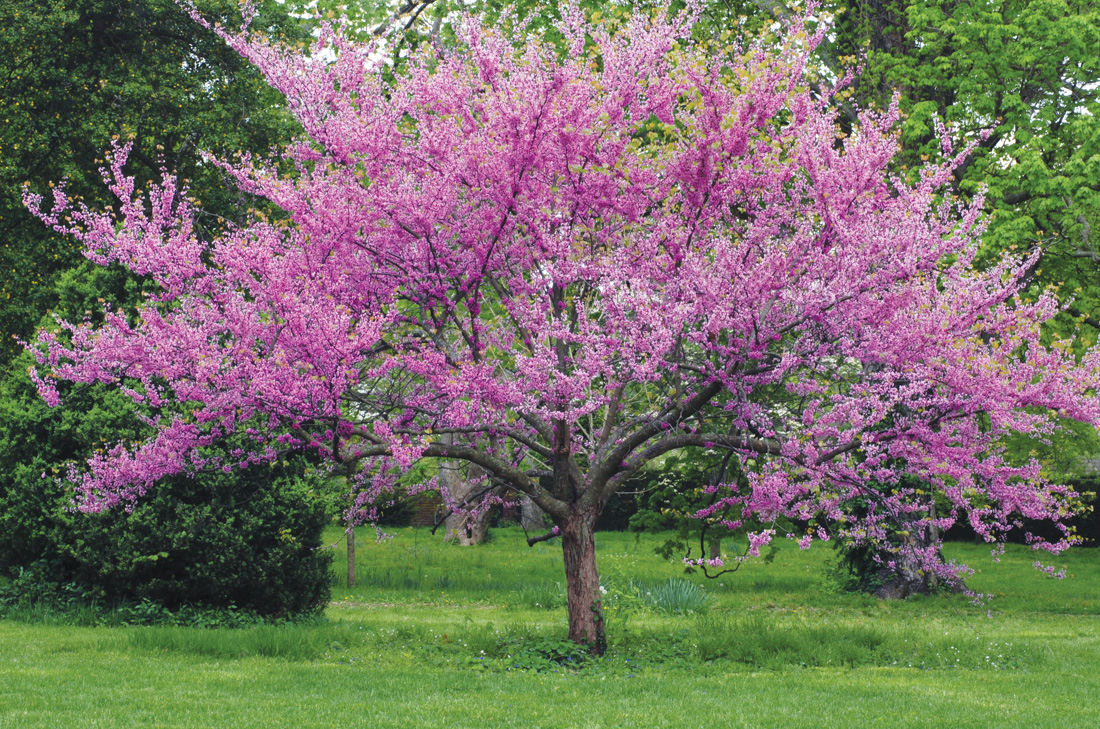
Eastern Redbud (Cercis canadensis)
One of the earliest spring bloomers, providing vital nectar for native bees emerging from winter. Its seeds also feed birds, and its size makes it ideal for residential landscapes.
Serviceberry (Amelanchier arborea)
Highly valuable for wildlife, offering early flowers for pollinators and summer berries for birds. Its multi-season interest makes it both ecologically and aesthetically strong.
Switchgrass (Panicum virgatum)
A native warm-season grass that stabilizes soil, improves water infiltration, and provides nesting habitat for birds. Excellent for meadows, borders, and restoration work.
Purple Coneflower (Echinacea purpurea)
This is a pollinator powerhouse that supports bees and butterflies throughout summer, with seed heads that feed birds well into winter.
Butterfly Milkweed (Asclepias tuberosa)
Essential for monarch butterflies as a host plant, while also attracting a wide range of native pollinators. Thrives in welldrained soils common in the region.
Black-Eyed Susan (Rudbeckia hirta)
Fast-establishing and long-blooming, it provides abundant nectar and pollen and is especially valuable in early restoration plantings.
American Beautyberry (Callicarpa americana)
Its vivid purple berries are an important fall food source for birds. The plant also supports native insects and thrives in woodland edges.
Southern Magnolia (Magnolia grandiflora)
Beyond its iconic presence, it offers habitat and nesting cover for birds and supports native beetle pollinators that predate bees.
Blue Wild Indigo (Baptisia australis)
A deep-rooted perennial that improves soil health through nitrogen fixation and supports specialist pollinators, particularly native bees.
This story was featured in Cliffs Living magazine. To see more stories like this one and learn more about The Cliffs, subscribe here.