



Story by Hailey Wist
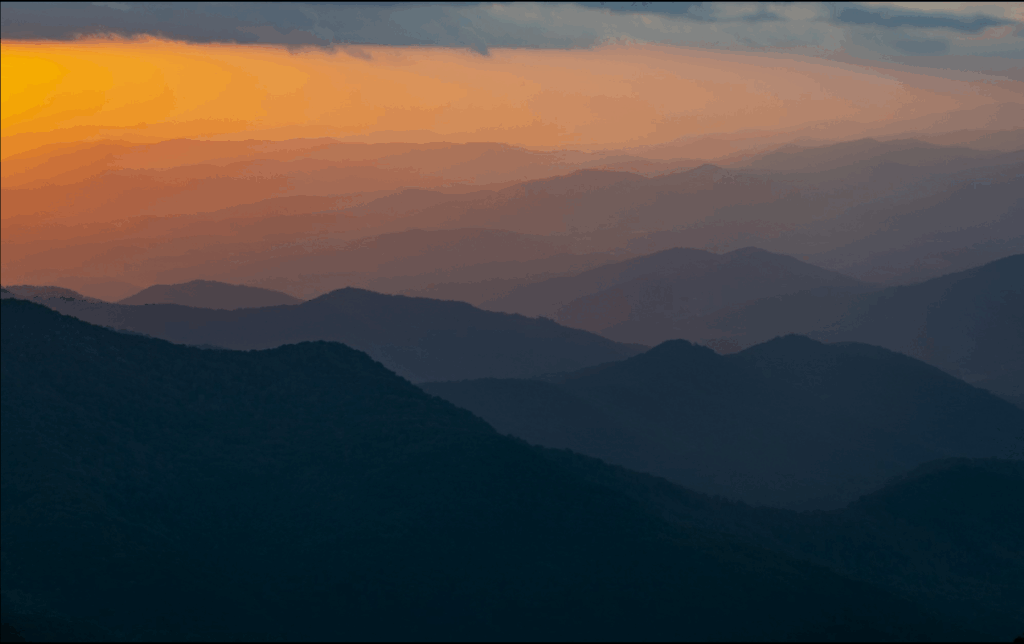
For more than a century, the mountains, forests, lakes, and cool air of the Carolinas have drawn generations of children to camp—attracted by the same natural beauty and sense of freedom that continue to draw members to The Cliffs today.
These camps didn’t arrive by accident; they were established where the landscape invited exploration, independence, and time outdoors. In many ways, the camp tradition reflects the values that shape life here now: a reverence for unspoiled nature, a belief in the formative power of place, and an understanding that the most lasting experiences are built season after season. This is why camp remains such an enduring part of the region’s story—and why it belongs in ours.
Camp Greystone
Afternoons at Camp Greystone unfold along the edge of Lake Summit in Western North Carolina, where campers paddle, swim, and gather as the day winds down. Laughter carries across the water and into the surrounding hills, a familiar sound at a place that has welcomed generations of girls. Founded in 1920 by Dr. Joseph R. Sevier, Greystone has spent more than a century helping girls build confidence, independence, and character.
Still owned and directed by the Sevier family five generations later, Greystone balances deep tradition with thoughtful evolution. Its 150-acre campus stretches from the lake to the hillside and includes stables, open-air pavilions, art studios, cabins, and wooded paths. The setting is simple, purposeful, and designed to support a full and active camp life. Greystone’s foundation is spiritual, but its approach is practical and welcoming. Mornings begin with devotion and gratitude, setting a steady tone for the day. Campers choose from more than sixty activities—from horseback riding and canoeing to dance, drama, fencing, and pottery—each offering opportunities to try something new, develop skills, and grow through encouragement.
Traditions remain at the heart of the Greystone experience. Flag ceremonies, council fires, closing vespers, and shared meals connect campers across decades. Many families return generation after generation, finding that while the years pass, the rhythms, places, and moments that define camp remain largely the same.
Greystone offers girls time away from distraction, space to build friendships, and the chance to grow in confidence, and consideration for others. It is an experience shaped by consistency, care, and the lasting impact of time well spent.
Camp Rockmont
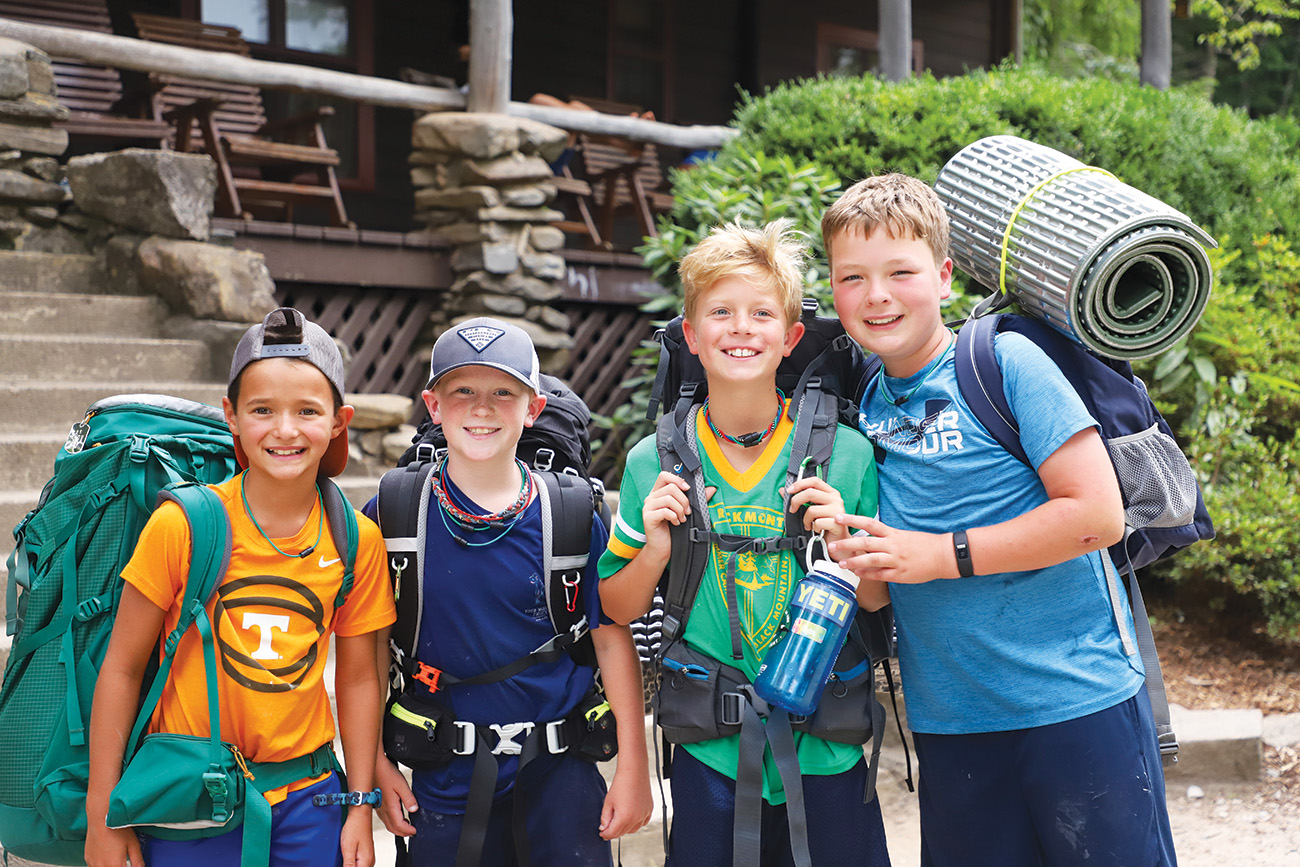
Situated in the Blue Ridge Mountains just outside Asheville, Camp Rockmont for Boys is more than a summer camp; it’s a place where boys discover a deep sense of belonging. For over seventy years, Rockmont has combined the best of classic camp adventure with a deep commitment to character, confidence, and community.
Days at Rockmont are filled with mountain biking, boating, rock climbing, expansive adventurous games, blacksmithing, and time spent around the campfire. But beyond the activities, something deeper happens: boys discover courage, responsibility, and belonging. Guided by caring mentors and surrounded by the beauty of nature, campers learn to take healthy risks, build lasting friendships, and gain a sense of independence that endures long after summer ends.
Rockmont welcomes boys from across the globe. Through nightly cabin devotions, camp gatherings, and weekly council, boys encounter a faith that feels real, grounded, and personal.
From the youngest Bear Campers (rising 1st–4th grade) to the oldest Mountain Campers (rising 7th–10th), each boy finds his place and is celebrated for who he is. Whether it’s the sound of laughter echoing across Lake Eden or the quiet pride of earning a skill patch, Rockmont offers a rare and transformative experience: a screen-free place for boys to be fully alive, outdoors, and themselves.

Rockbrook Camp
Follow the road past Brevard and into the forest, where waterfalls trace the rock and wildflowers line the path. There you’ll find Rockbrook Camp for Girls, founded in 1921 by Nancy Barnum Clarke Carrier, great-granddaughter of P.T. Barnum—a woman who believed that joy and courage belong together.
Rockbrook’s 240-acre campus is its own world of mossy boulders, stone lodges, and rhododendron tunnels. Architect Richard Sharp Smith, who worked on the Biltmore Estate, designed its earliest building, giving the camp an enduring sense of place.
Each summer, campers shape their days through over forty activities that blend art, sports, and exploration, including ceramics, weaving, hiking, theater, horseback riding, and kayaking. Rockbrook’s philosophy—choice and challenge—invites girls to find growth in both success and laughter.
The heart of Rockbrook is its community. Evenings gather everyone for songs in the dining hall or at the lakeside “Spirit Fire”, a tradition glowing since the 1920s. The stories told there echo through generations—each flame a link in a chain that stretches back a century.
Rockbrook remains what it has always been: a place where girls are encouraged to try new things, to explore nature, and to find freedom in the process. Its magic is not nostalgia but continuity, providing proof that imagination, zany fun, and independence never go out of style.
Falling Creek Camp
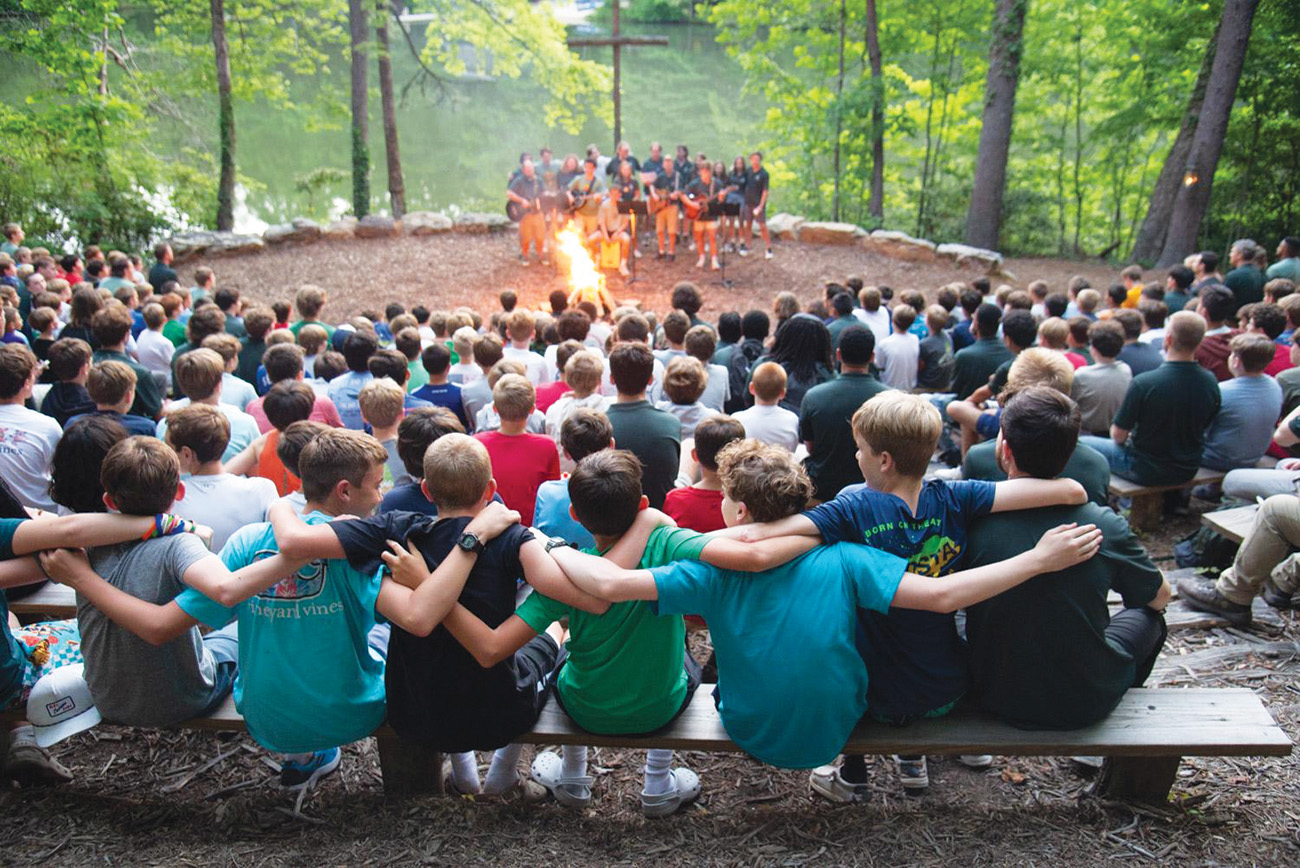
High above Tuxedo, North Carolina, on 900 acres of rolling forest, Falling Creek Camp sits where the fog meets the ridgeline. Founded in 1969 by Jim and Libby Miller, it was created as the brother camp to Greystone, rooted in outdoor adventure.
The first thing you notice at Falling Creek is the sound: hammer on anvil from the blacksmith shop, boots on gravel, voices carrying from the lake. Every space hums with purpose. Boys choose from over thirty activities, including rock climbing, archery, riflery, mountain biking, kayaking, and woodcraft. Multiday trips into Pisgah National Forest and Dupont State Forest push campers to test endurance, teamwork, and trust.
At its heart is the Falling Creek Code—Warrior Spirit, Servant’s Heart, Moral Compass, Positive Attitude. This isn’t just a slogan; these are the invisible rules of camp life, shaping how boys support one another and approach challenges.
Evenings bring reflection around the fire. Counselors encourage stories, songs, and small acts of leadership. The lessons last longer than the season: that real courage includes humility, and that friendship forged in rain and mud can feel like family.
When the fog burns off the mountains each morning, the camp comes alive again. Falling Creek endures as a place where strength is shaped not by competition, but by the climb itself.
This story was featured in Cliffs Living magazine. To see more stories like this one and learn more about The Cliffs, subscribe here.