

Story by Hailey Wist
The mountains and foothills surrounding The Cliffs communities are home to one of the most culturally active regions in the Southeast. What has taken shape here over generations, through art schools, performance venues, museums, and working creative communities, adds up to something unique for a landscape of this scale and character. Members have easy access to world-class performances, significant museum collections, working artist studios, and institutions that have shaped American art and craft on a national level.
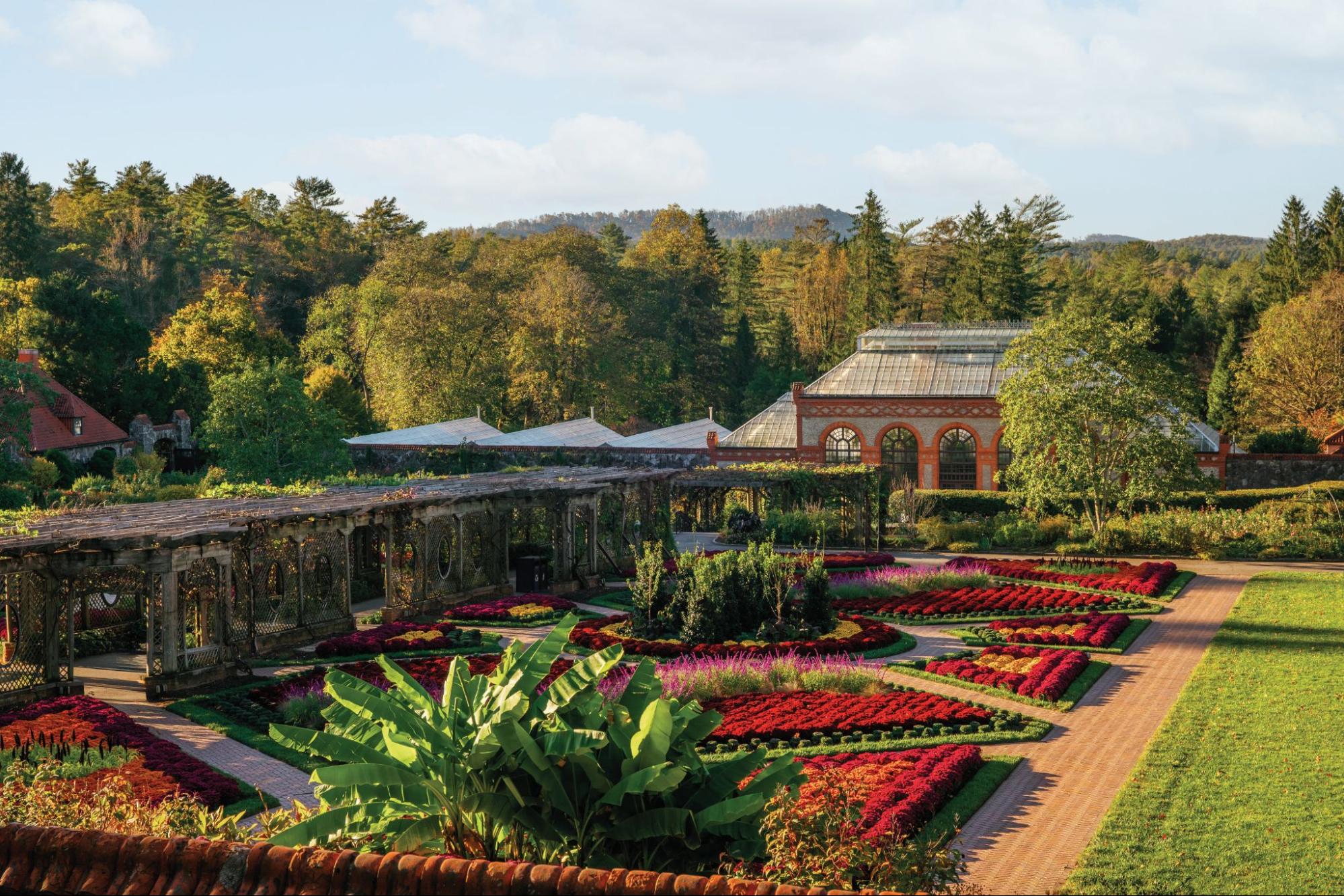
Biltmore Estate
1 Lodge Street | Asheville, North Carolina
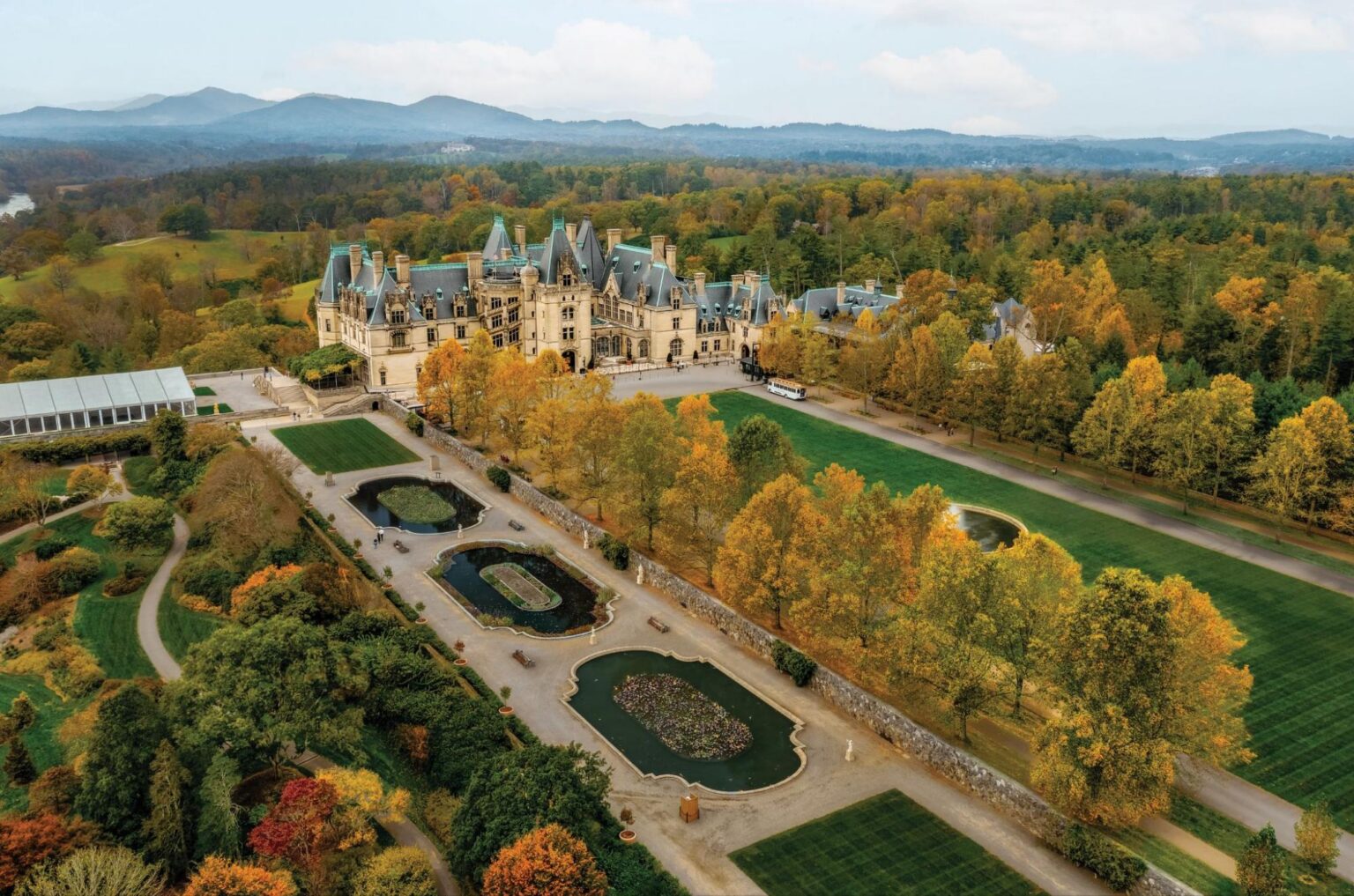
Biltmore Estate is the most significant landmark in the region, and arguably the most visited in North Carolina. Built in the late nineteenth century for George Vanderbilt, the house is the largest privately owned home in the United States, its grounds designed by Frederick Law Olmsted. The estate spans vineyards, wooded trails, and formal gardens, with exhibitions and programming that change throughout the year. More than a historic house, it has shaped Asheville’s identity as a place where architecture, landscape, and history converge—and it remains one of the most instructive examples in the country of what Gilded Age ambition looked like at its fullest expression.
Brevard Music Center
365 Andante Lane | Brevard, North Carolina
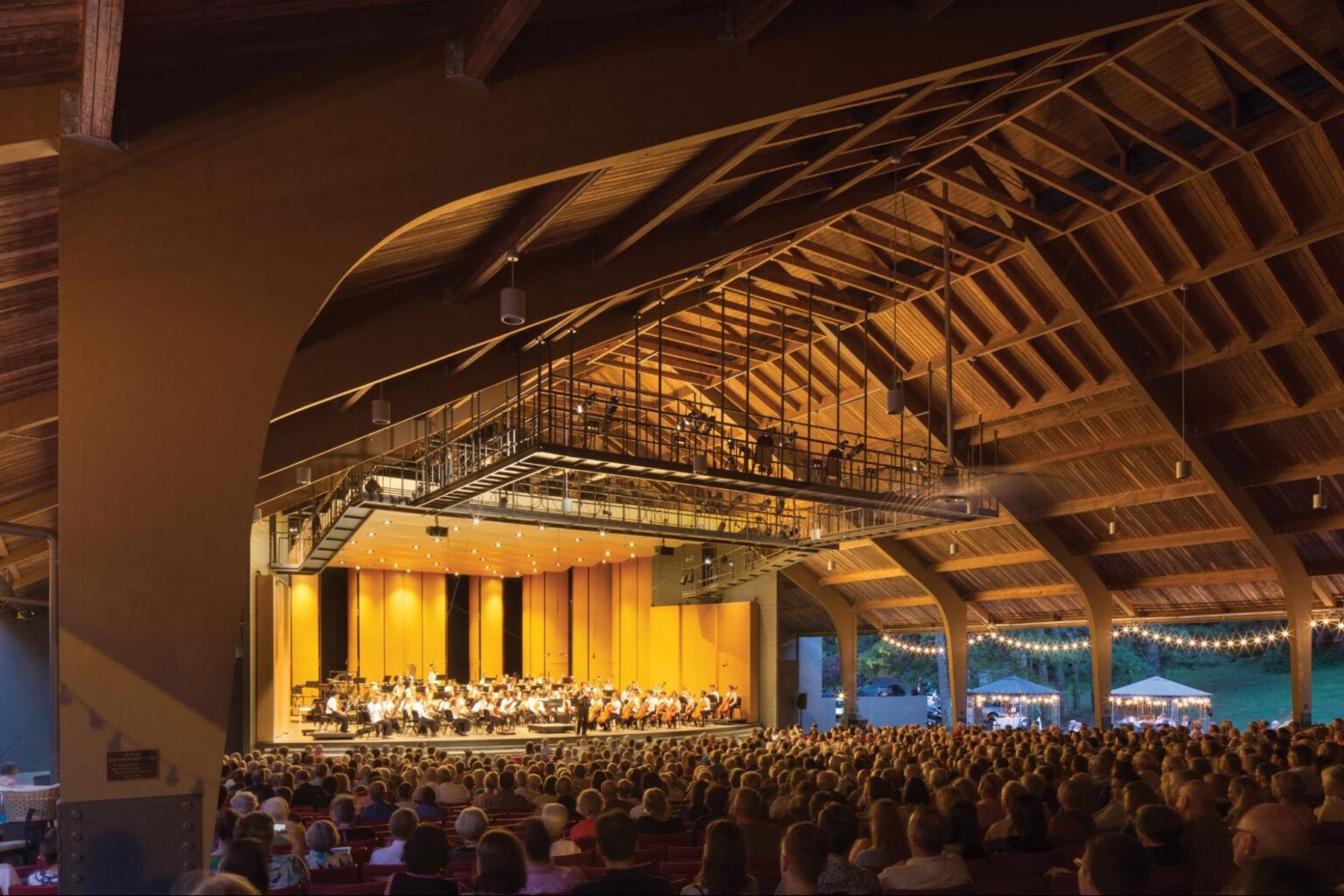
Each summer, Brevard Music Center transforms a quiet mountain setting into one of the country’s premier music destinations. Part training institute, part performance venue, the campus brings together emerging musicians and established artists for a season of concerts ranging from large-scale orchestral works to chamber, opera, jazz, and bluegrass. Open-air venues and wooded surroundings create an experience that feels both refined and distinct.
Peace Center
300 South Main Street | Greenville, South Carolina
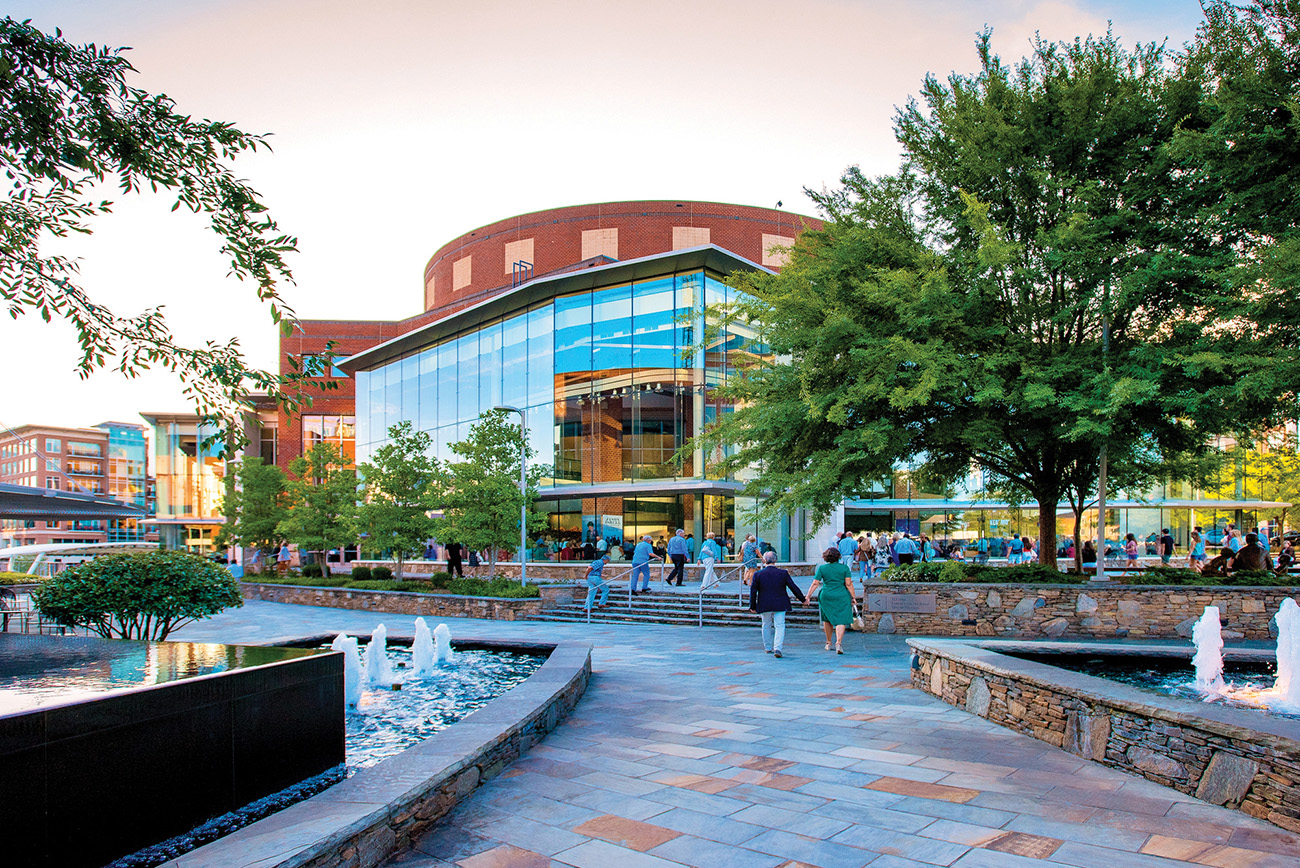
The Peace Center anchors Greenville’s performing arts scene, bringing together Broadway productions, touring musicians, and other entertainment to five beautiful venues situated on a single campus in the heart of downtown Greenville. Set along the Reedy River, the complex plays a steady role in shaping the city’s cultural calendar while drawing both local audiences and visitors downtown. Its presence extends beyond the stage, contributing to the energy of Main Street and reinforcing Greenville’s growth as a walkable and design-conscious city.
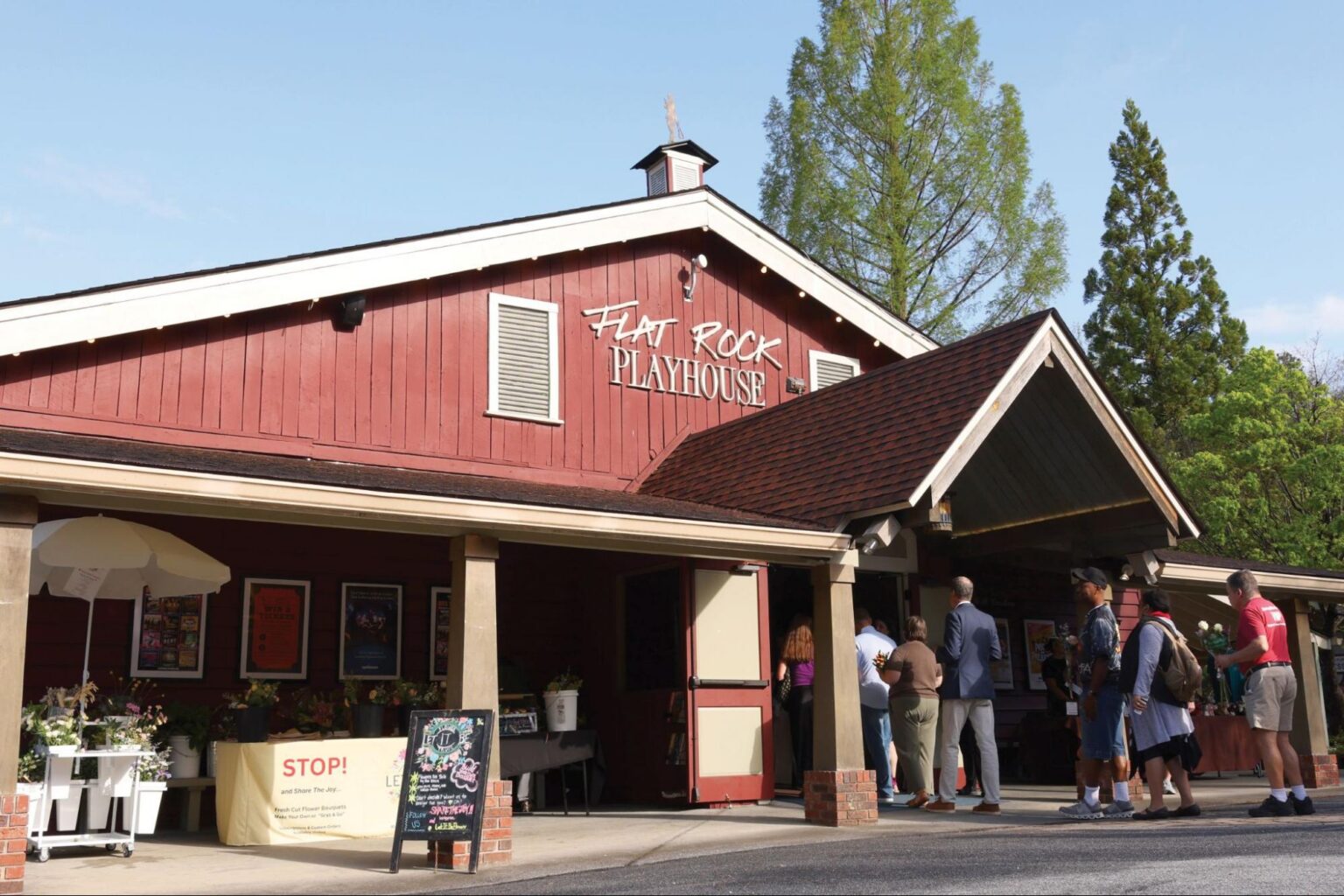
Flat Rock Playhouse
2661 Greenville Highway | Flat Rock, North Carolina
Flat Rock Playhouse has been North Carolina’s designated State Theatre since 1961, making it one of the longest-running professional theaters in the South. Located just outside Hendersonville, it stages a season that moves between classic plays, contemporary works, concerts, and musicals. The programming draws both longtime theatergoers and newcomers, and the scale of the venue—small enough to feel personal, serious enough to attract professional talent—is a large part of its appeal. For the surrounding communities, it functions as a genuine cultural institution, not just a seasonal attraction.
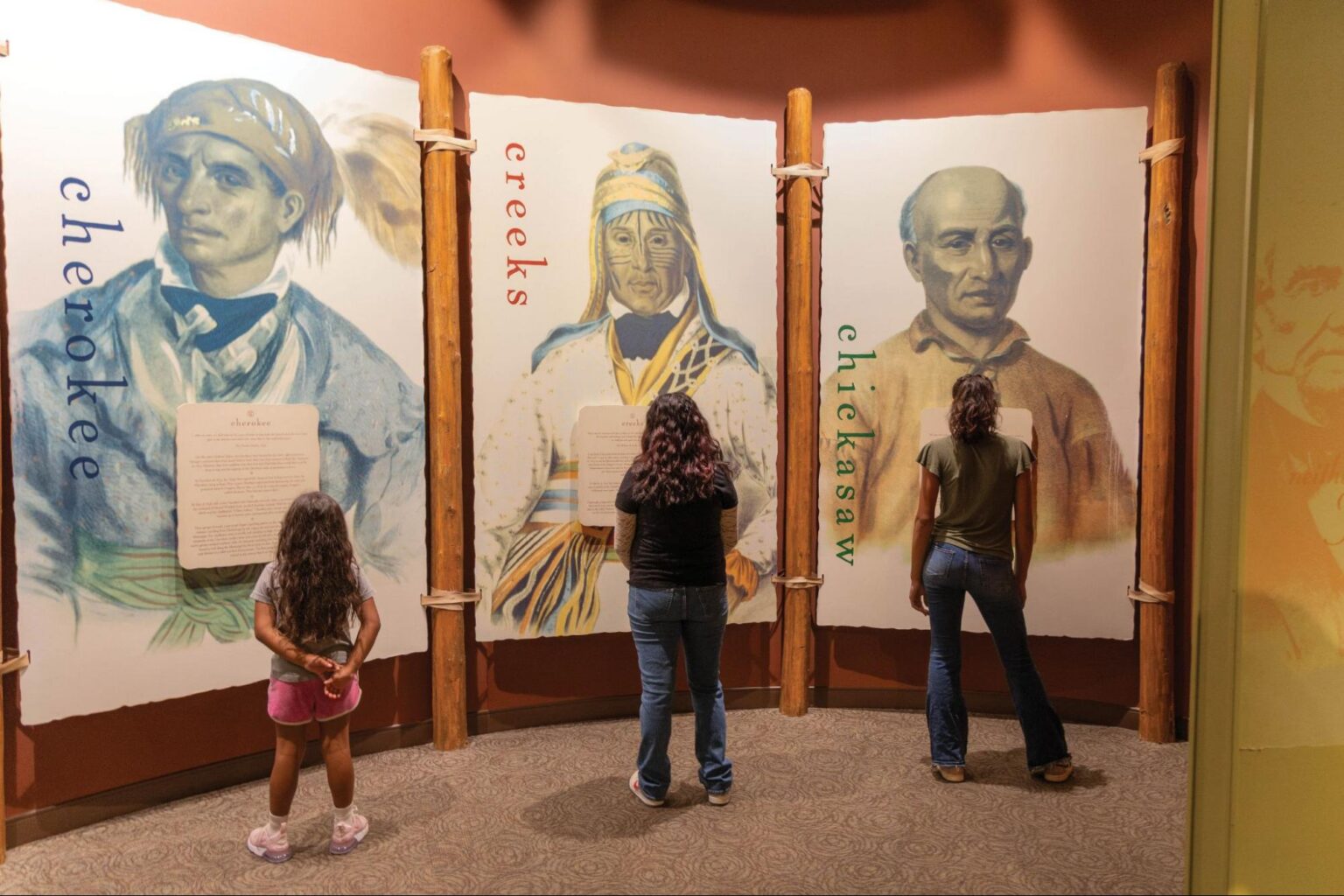
Museum of the Cherokee People
589 Tsali Boulevard | Cherokee, North Carolina
The Museum of the Cherokee People tells the history of the Cherokee people from the Cherokee perspective—an important distinction that is felt throughout the experience. Permanent and rotating exhibitions move through thousands of years of history, including the forced removal on the Trail of Tears and the survival and continuity that followed. As the tribal museum of the Eastern Band of Cherokee Indians, headquartered on Cherokee ancestral homelands, it gives a living connection to Cherokee people today that sets it apart from conventional history museums. For anyone seeking to understand this region honestly, it is an essential stop.
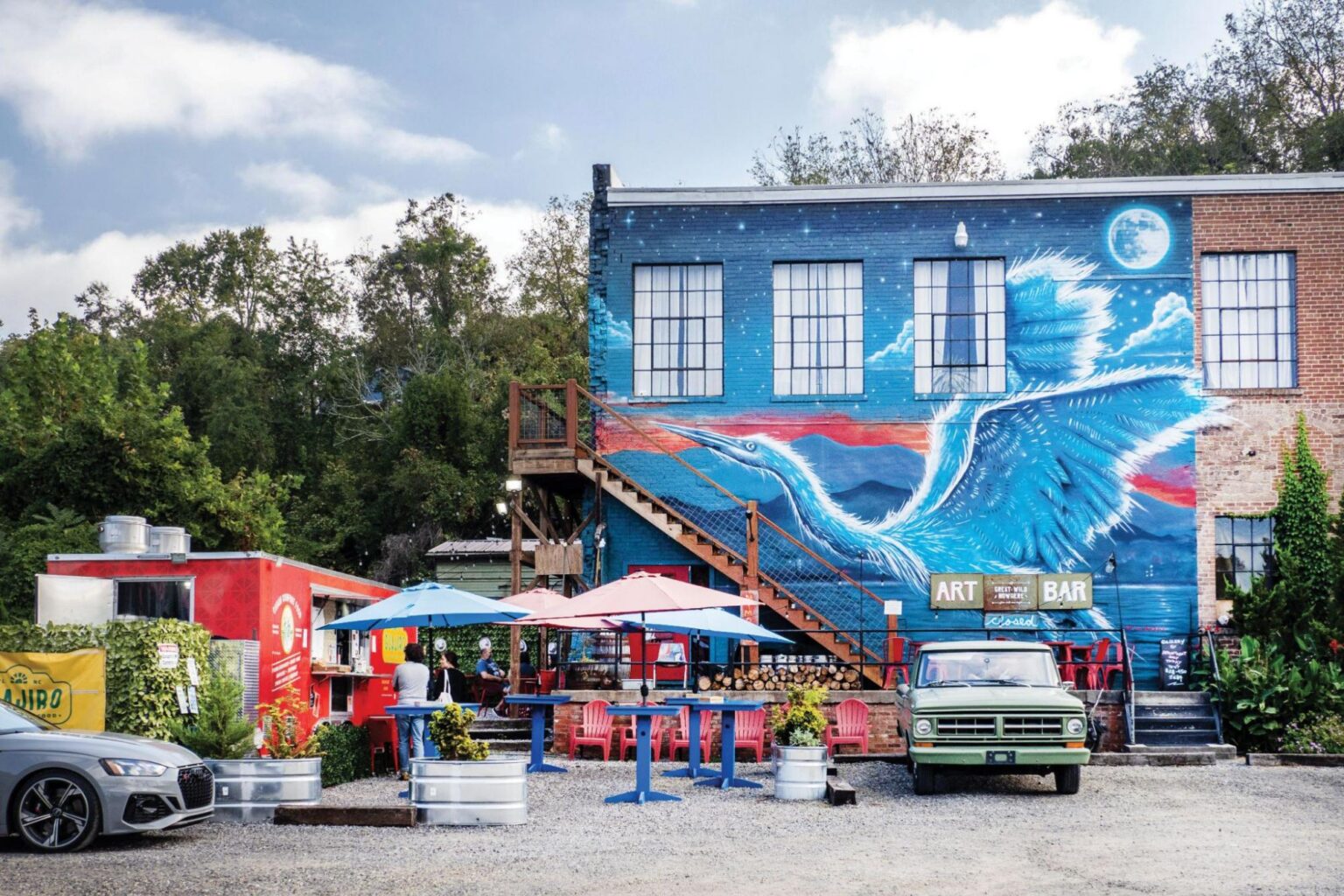
River Arts District
3 River Arts Place | Asheville, North Carolina
Stretching along the French Broad River, the River Arts District offers a working view into Asheville’s creative community. Former industrial buildings now house studios, galleries, and workshops where artists are often present, inviting authentic connection to the process. The atmosphere is informal, shaped as much by the people working there as the art on display. In 2024, Hurricane Helene caused historic flooding that severely damaged the district, and the recovery has only deepened its reputation. In 2026, USA Today voted it the number one arts district in the country.
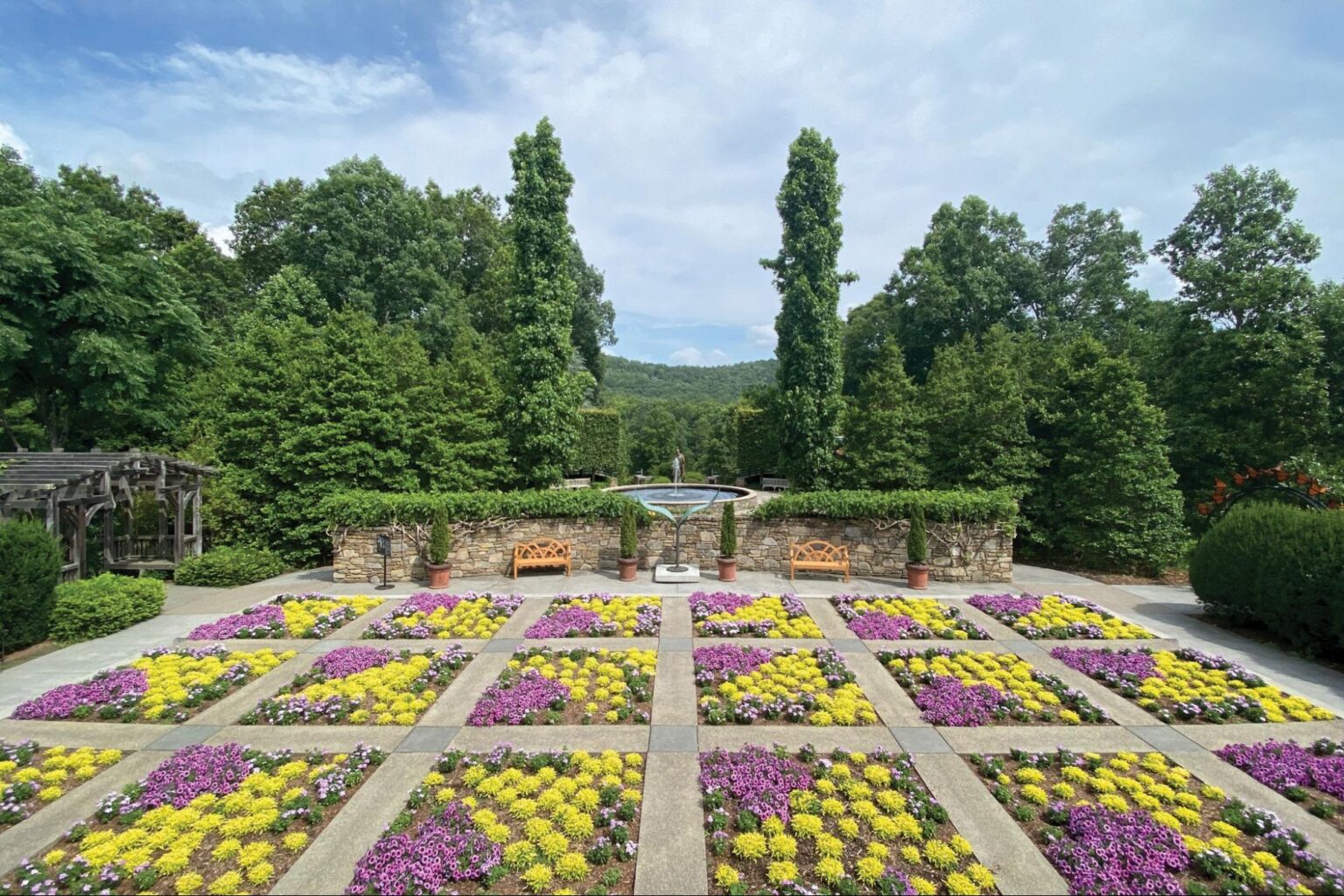
North Carolina Arboretum
20 Frederick Law Olmsted Way | Asheville, North Carolina
The North Carolina Arboretum sits within the Pisgah National Forest on more than 400 acres, combining cultivated gardens, forested trails, and rotating exhibitions that move between art, ecology, and education. The grounds are designed to be walked slowly, whether through curated plant collections or quieter natural areas further from the main paths. It is one of the more thoughtfully conceived public spaces in the region.
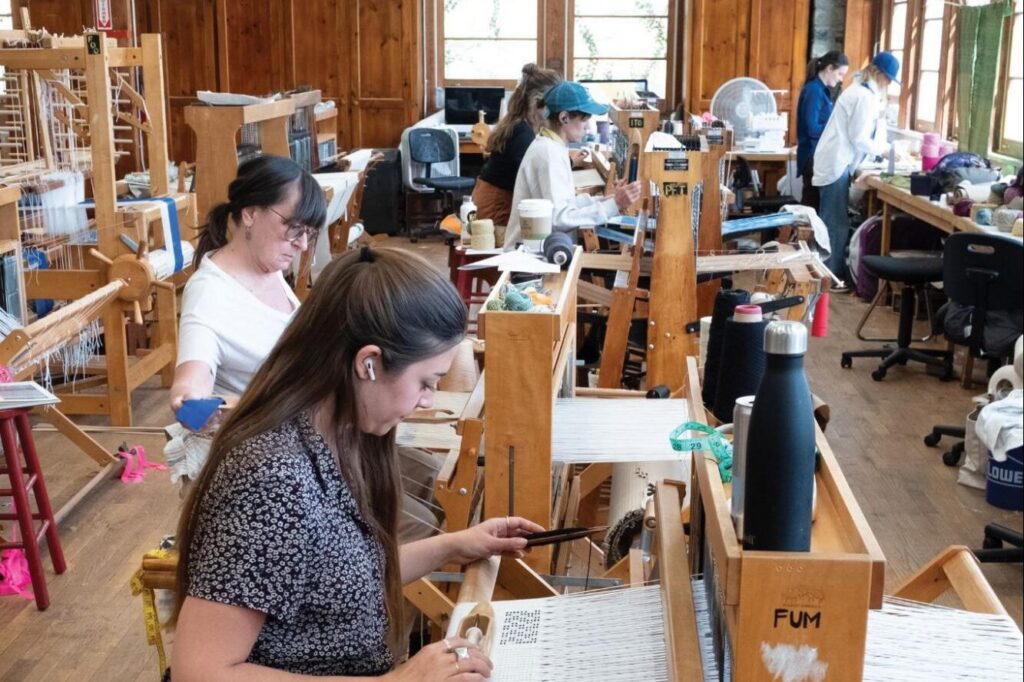
Penland School of Craft
2687 Conley Ridge Road | Bakersville, North Carolina
Founded in 1929 in the Blue Ridge Mountains of North Carolina, Penland School of Craft is one of the most respected craft education institutions in the country, drawing artists working in ceramics, glass, metals, textiles, wood, and beyond. Workshops run from spring through fall, and the residency program offers artists the opportunity to live and work on campus. Penland has shaped generations of American artists and remains one of the clearest expressions of regional craft.
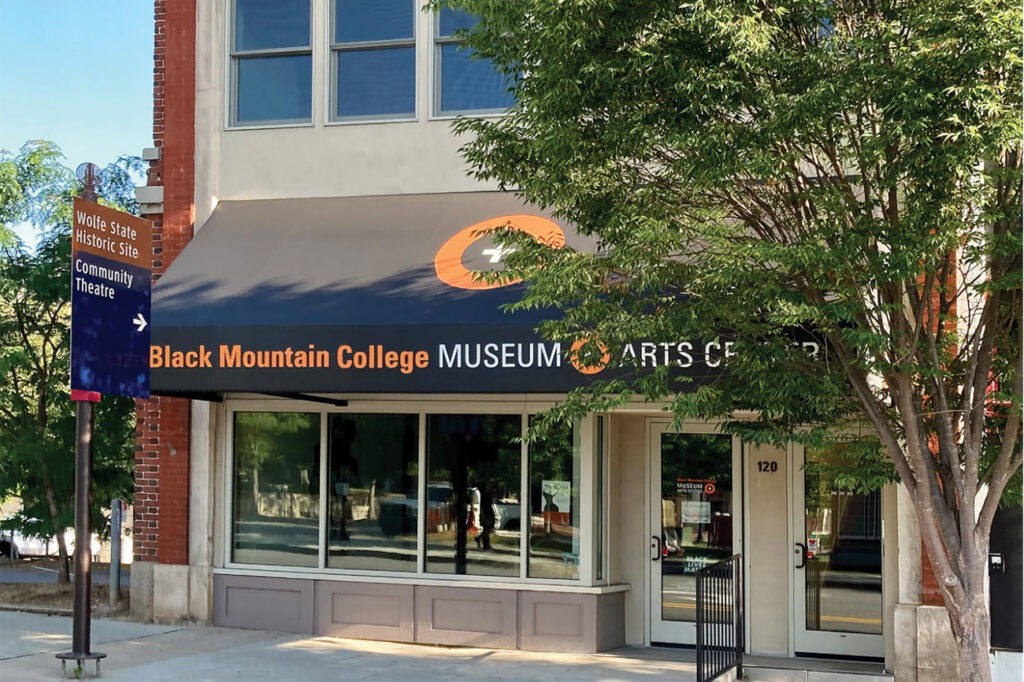
Black Mountain College Museum + Arts Center
120 College Street | Asheville, North Carolina
The Black Mountain College Museum + Arts Center holds a significant place in the story of American art and education. Dedicated to the experimental college that operated nearby from 1933 to 1957, the museum preserves the legacy of a community that brought together artists, architects, and thinkers at a formative moment in modernism. Exhibitions and programming continue that spirit of inquiry, focusing on collaboration, process, and interdisciplinary work. The museum offers a reflective atmosphere rooted in ideas, influence, and the lasting impact of creative exchange.
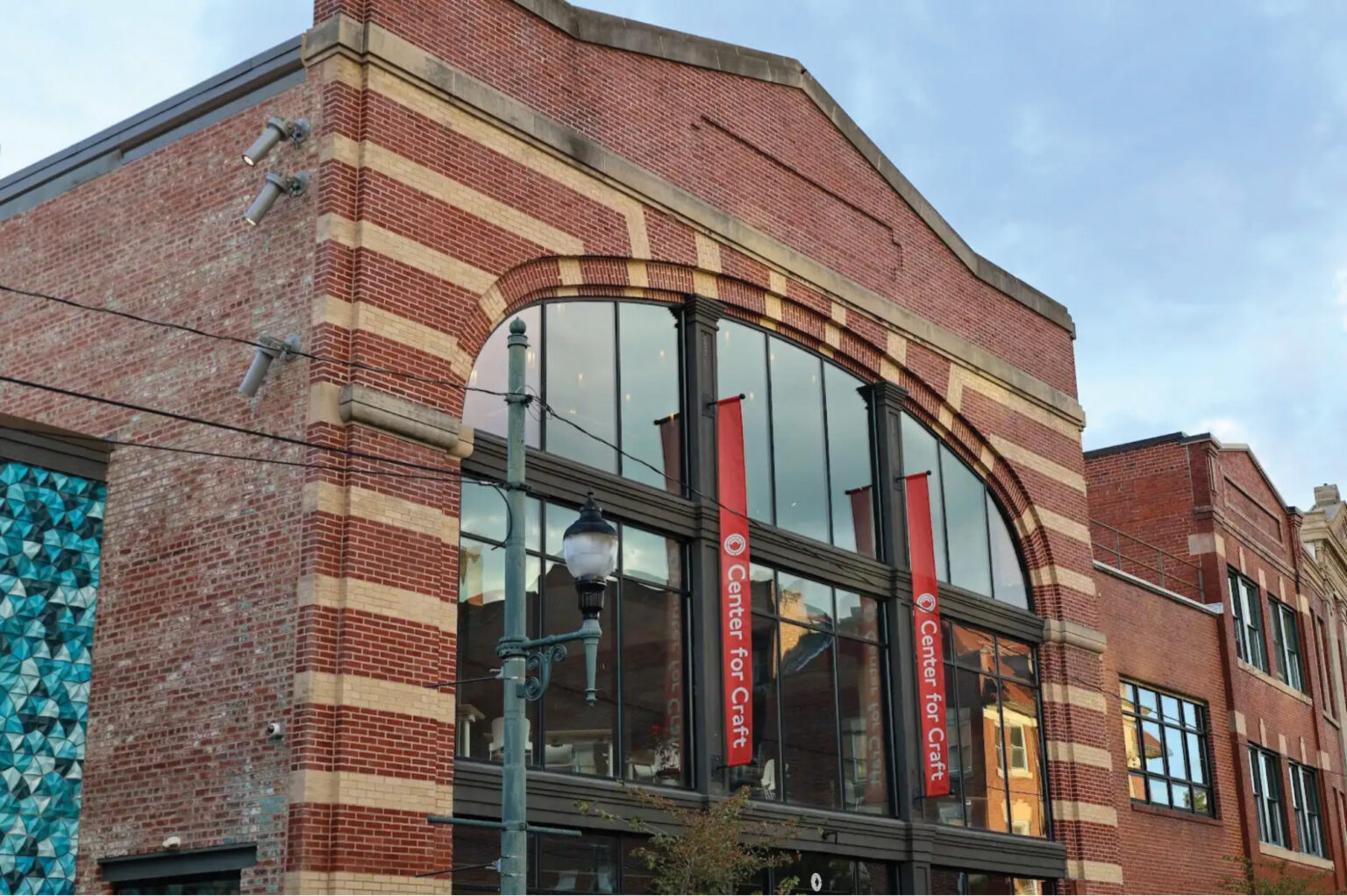
Center for Craft
67 Broadway Street | Asheville, North Carolina
In downtown Asheville, the Center for Craft functions as a cultural engine that supports grants, fellowships, and research initiatives, sustaining the broader ecosystem of makers, curators, and scholars who keep craft alive as a serious discipline. Free and open to the public, its galleries offer rotating exhibitions. But the deeper work—funding artists, hosting residencies, advancing craft scholarship nationally—extends well beyond its walls. It reflects the region’s understanding that making things by hand is not a quaint tradition but an ongoing, evolving conversation worth investing in.
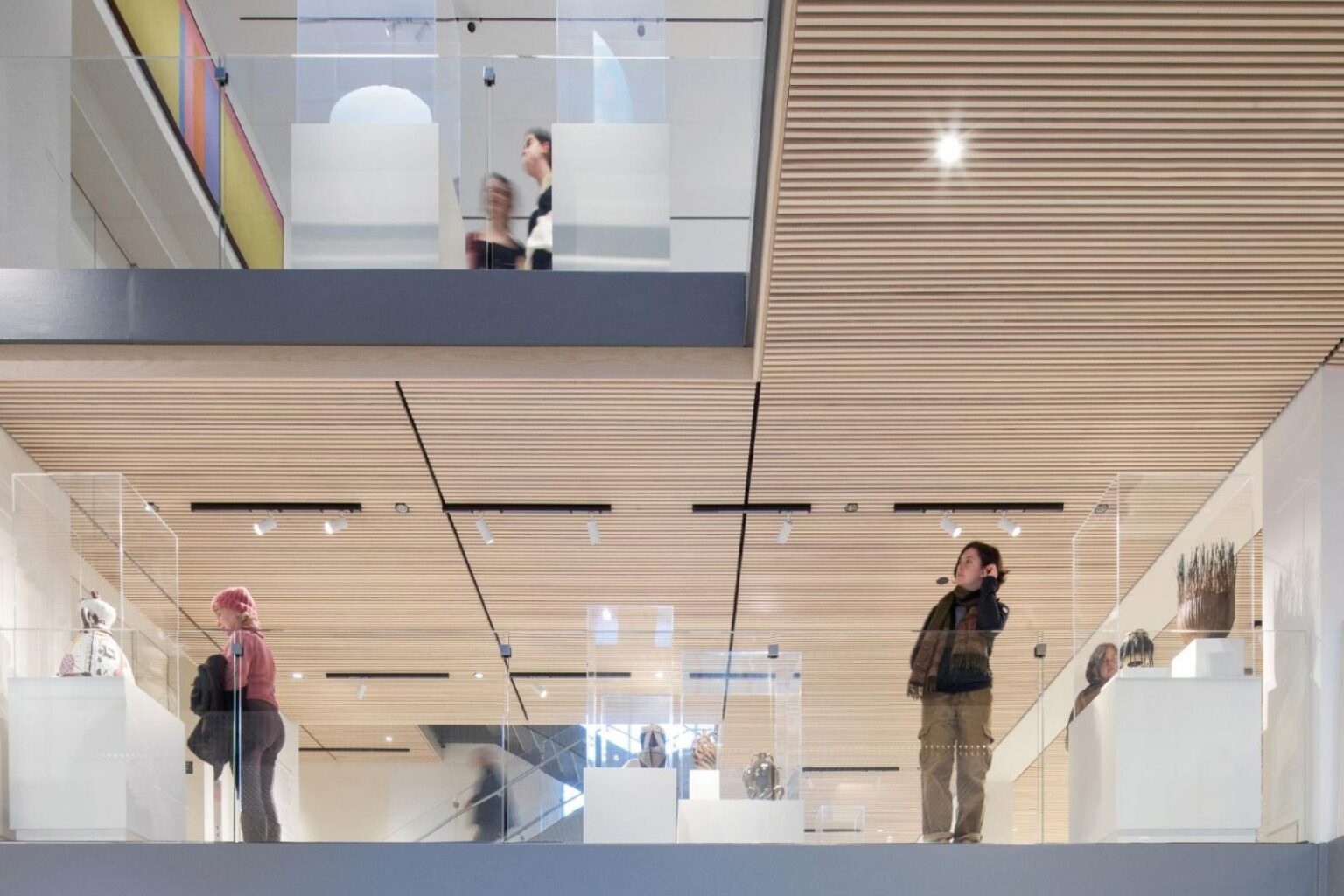
Asheville Art Museum
2 South Pack Square | Asheville, North Carolina
The Asheville Art Museum plays a central role in shaping the city’s creative identity, offering a focused look at American art from the twentieth and twenty-first centuries. Located in the heart of downtown, its collection highlights artists with strong ties to the Southeast and Appalachian region. The museum reflects the city’s broader connection to creativity, craft, and the ongoing exchange between tradition and modern expression.
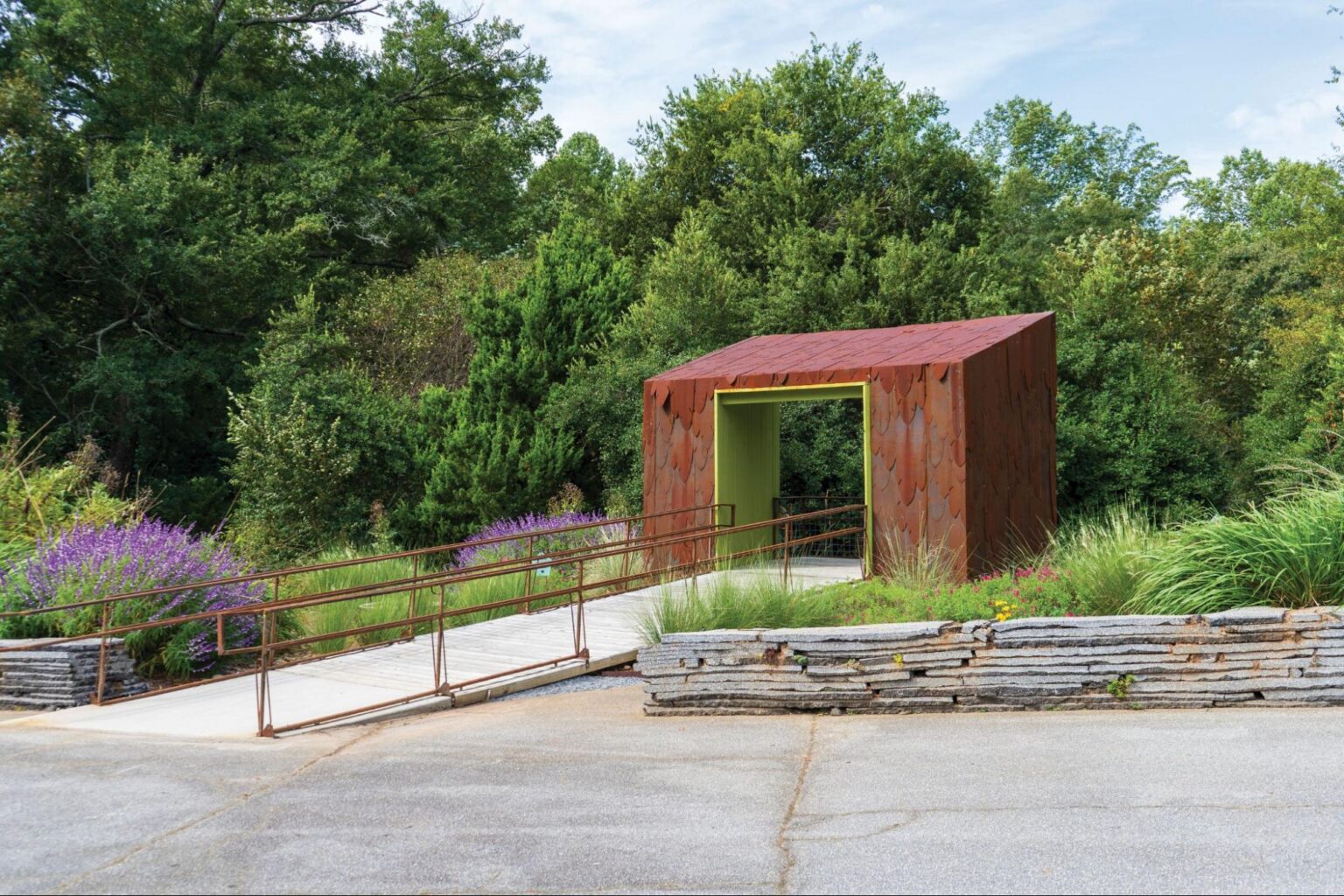
South Carolina Botanical Garden
150 Discovery Lane | Clemson, South Carolina
Situated on the Clemson University campus about forty-five minutes west of Greenville, the South Carolina Botanical Garden spans nearly 230 acres of display gardens, natural landscapes, and the seventy-acre Schoenike Arboretum. The gardens are open free of charge 365 days a year and are home to thousands of ornamental plant varieties, including extensive collections of camellias, hydrangeas, magnolias, and native species, and also house the only nature-based sculpture collection of its kind in the region, alongside a geology museum and the showcase Natural Heritage Garden trail — offering something for the serious horticulturalist and the casual visitor alike.
This story was featured in Cliffs Living magazine. To see more stories like this one and learn more about The Cliffs, subscribe here.